

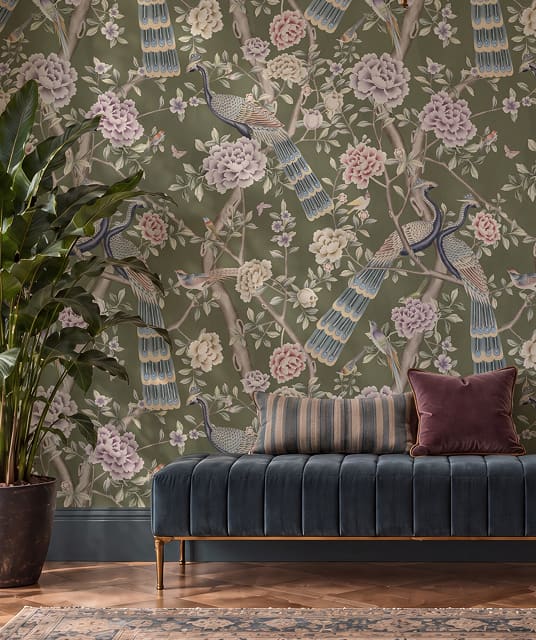
What Is Grasscloth Wallpaper?
Grasscloth wallpaper is a broad term that describes a type of wallcovering created using hand-woven natural fibers on an unpasted backing made of rice paper. While many of the designs feature grass materials like hemp, sisal, jute and reed, the term has been broadened to also cover other organic/natural materials like various rock and cork veneers. Technically, these are not grasscloth wallpapers. Often, what differentiates the look from one grasscloth to another is not the base material, rather, it is the technique and pattern that is created using that material. In this blog, we’ll get into some different types of grasscloth and other natural wallpaper designs and some very important things to know about their installation and care.
Our Types of Grasscloth Wallpapers
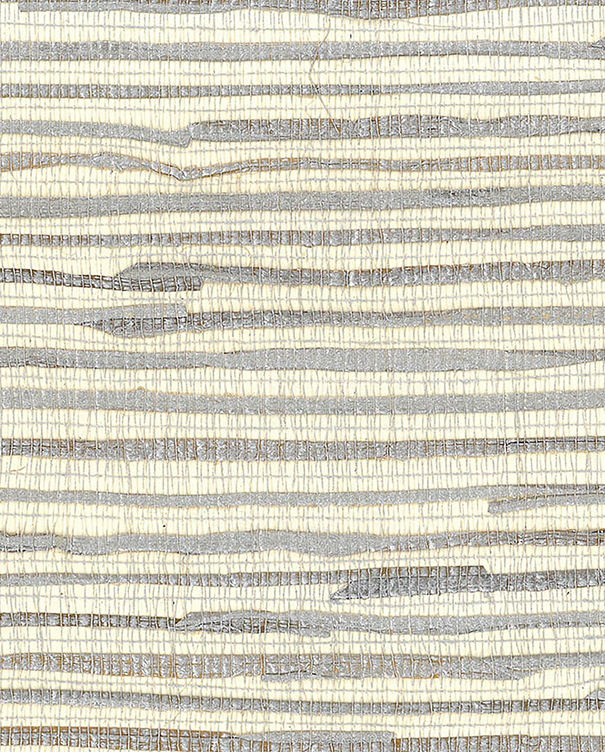
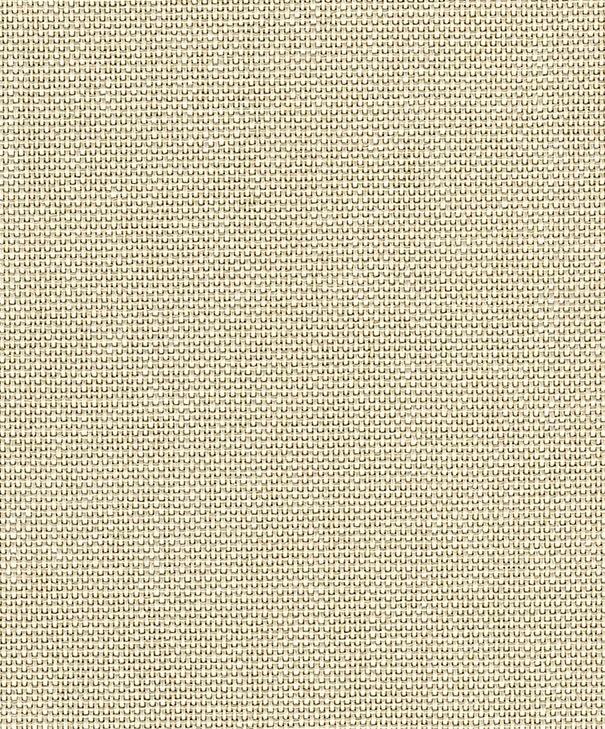
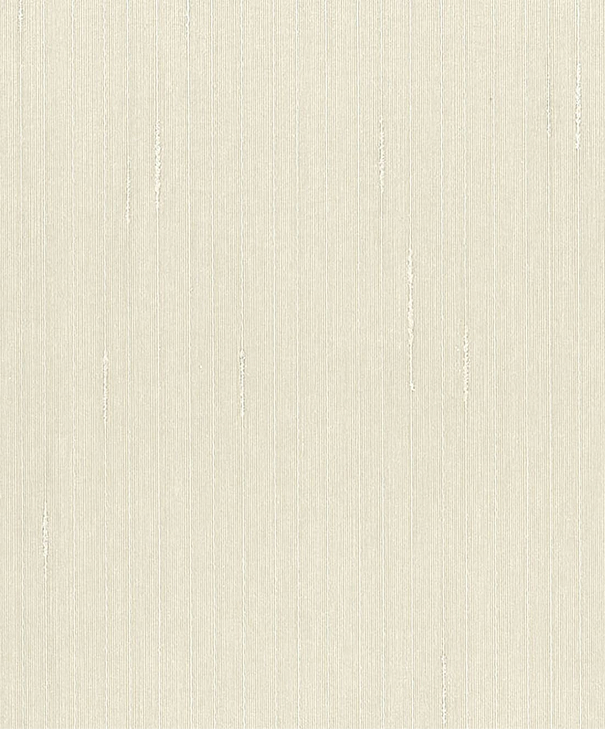
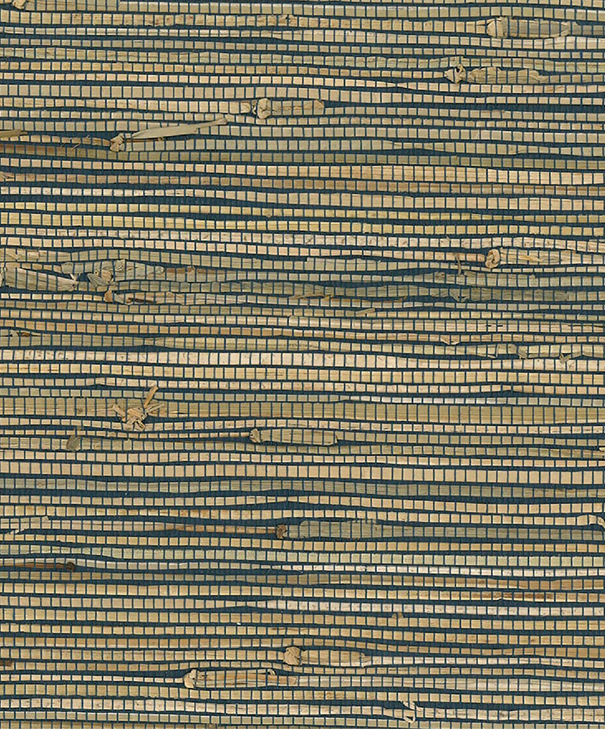
Jute Grasscloth
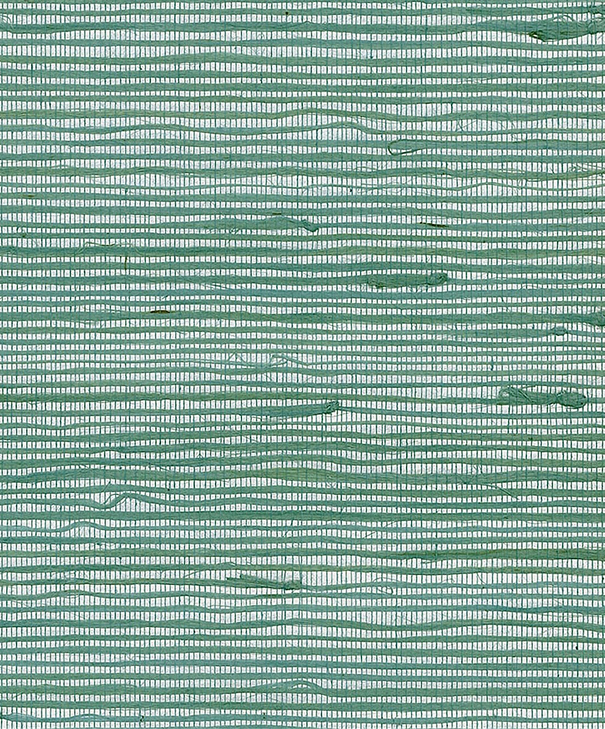
Jute is the bark taken from the white jute plant. It is often used to create products with a burlap texture. Jute is one of the softer grasscloths. While it comes in a number of different colors, the organic weave can provide a unique feature. The Summer Jute Grasscloth Wallpaper in Silver offers both an organic look with a glimpse of shimmer amongst the weave.
Sisal Grasscloth
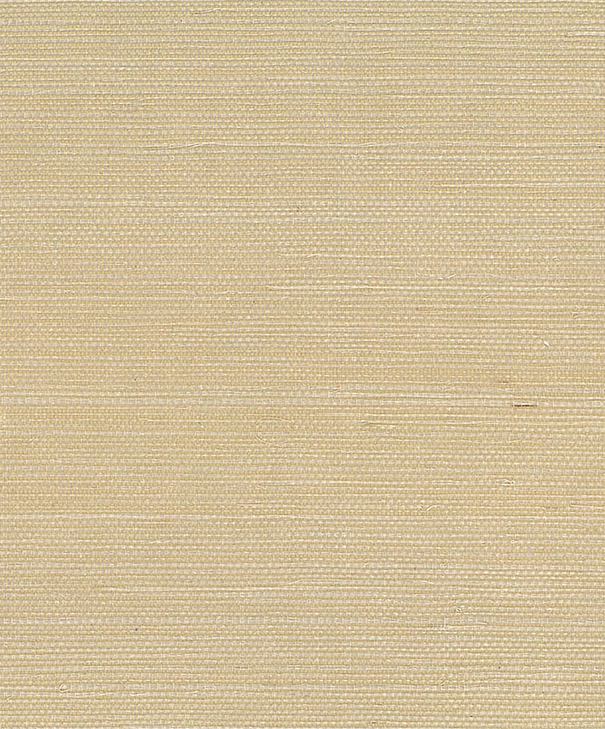
Sisal is a flowering plant native to southern Mexico, but its uses spreads far and wide for everything from rugs to ropes. It is coarser and more durable than Jute. Sisal Grasscloths tends to feature a tightly woven fabric appearance offering an attractive texture like the above Winter Sisal Grasscloth design in Black.
Hyacinth Grasscloth
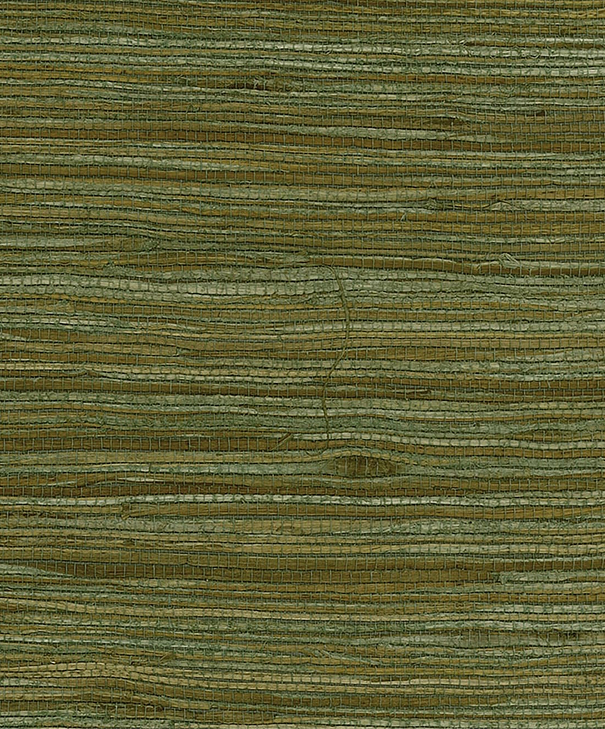
Hyacinth is made from the dried stems of the water hyacinth plant, hand-woven into a bold, basket-weave texture. It has a medium coarseness with a grassy, leafy texture creating a chunky, three-dimensional appearance with natural tonal variations. One of the more structured grasscloths, Hyacinth delivers strong visual impact and a tropical, organic feel like the Water Hyacinth Grasscloth Wallpaper.
Java Grasscloth
Java is crafted from finely woven java seagrass or agave fibers, creating a smooth yet textured surface with a refined, consistent weave. It is softer and more uniform than coarser options while retaining natural character. Java offers understated elegance and subtle depth, as seen in the Metallic Java Grasscloth Wallpaper.
Paperweave Grasscloth
Paperweave is created by braiding or weaving strips of paper (often rice or abaca) over a backing, producing a clean, interwoven, tonal texture with fine vertical or crosshatch detailing. Lightweight yet durable, it has a matte, sophisticated finish. Paperweave provides a minimalist, tailored look like the Basket Paperweave Grasscloth Wallpaper.
Stringcloth Grasscloth
Stringcloth features thin strands of natural fibers individually strung and adhered in vertical or patterned formations. Its coarseness varies, delivering a linear, stringy texture. This creates a delicate, ribbed appearance with visible spacing that adds dimension and shadow play. Stringcloth brings soft tactile elegance and subtle movement to the wall like in the Linen String Wallpaper design.
Rushcloth Grasscloth
Rushcloth is woven from the sturdy stems of rush plants and reeds, often blended with other natural fibers, resulting in a dense, flat-weave texture with organic tonal variations. It has a smoother, more tailored appearance than coarser grasscloths while keeping natural warmth. Rushcloth adds refined texture and timeless appeal like in the Earth Boodle Grasscloth design.
Types of Natural Wallpapers
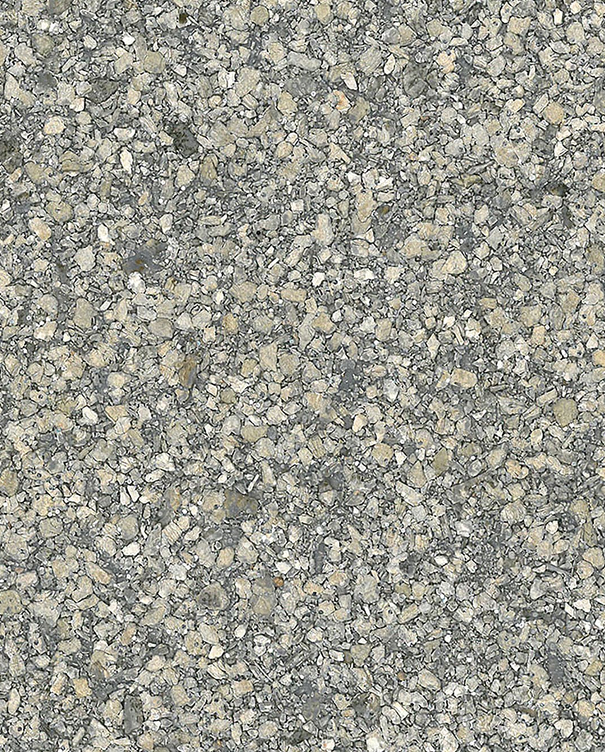
Mica Wallpaper
Mica Wallpaper is created from crushed silicate. Creating a tight mosaic of rock particles, it can often be combined with with metallic elements to provide a shimmer. In the example above, the Pebble Mica in the Sand colorway offers an array of shades in neutral tones.
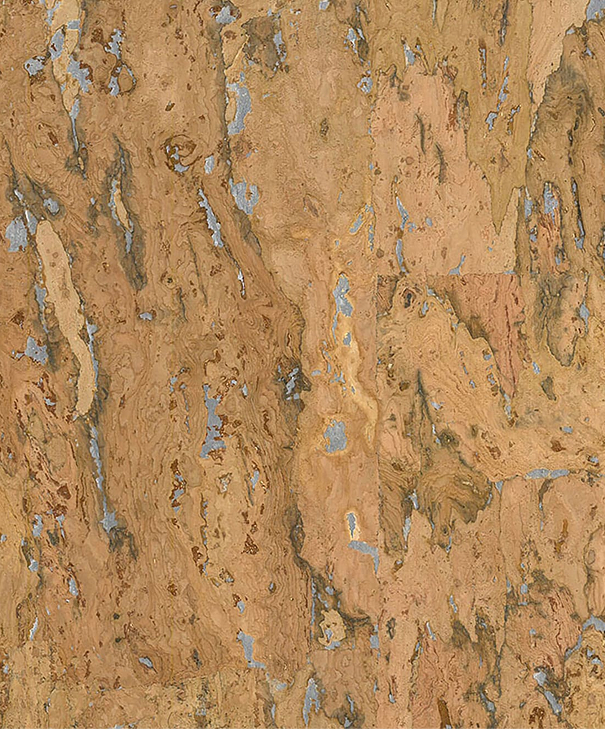
Cork Wallpaper
Cork is the bark peeled from the cork oak tree. It’s a sustainable way to source a gorgeous wood veneer for your walls. Often times the cork can be manipulated to create an almost marblized appearance. The above image is called Earth Cork in the Gold colorway.
Features of Grasscloth Wallpaper
Grasscloth Wallpaper – The Look
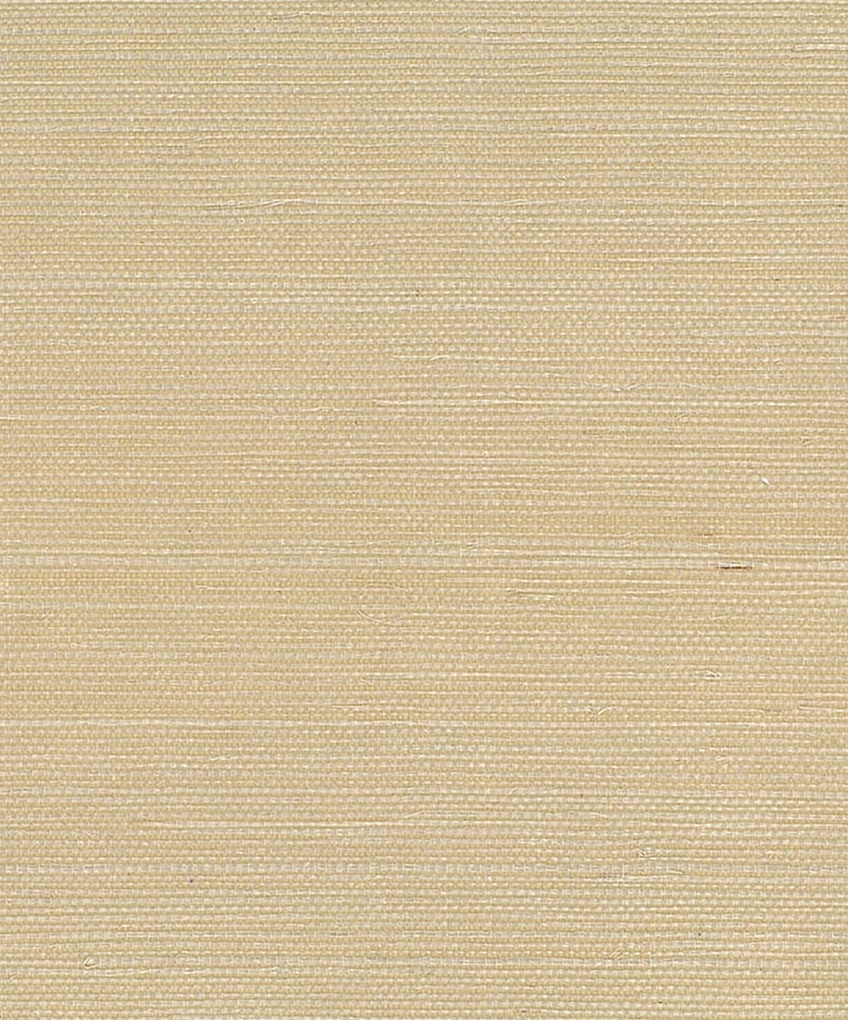
One very important feature to know about grasscloth wallpapers is regarding the aesthetic. Shading or panelling is a term used to describe the uneven look. Because they are comprised of plants with varying amounts of sun exposure and that absorb dyes unevenly, the shade may be darker or lighter from one panel to the nexts. There also may be a noticeable difference between the sample you order and the roll you order. Being aware of those differences is important for setting expectations. In addition, unlike traditional wallpapers, there is no pattern match and it is not meant to look seamless. These features are not to be seen as downsides of natural wall coverings. Rather, they are highlights that make a grasscloth product wholly unique. If you’re looking for a more uniform and predictable option, a faux grasscloth or printed grasscloth may be more to your liking.
Designer Printed Grasscloth Wallcoverings
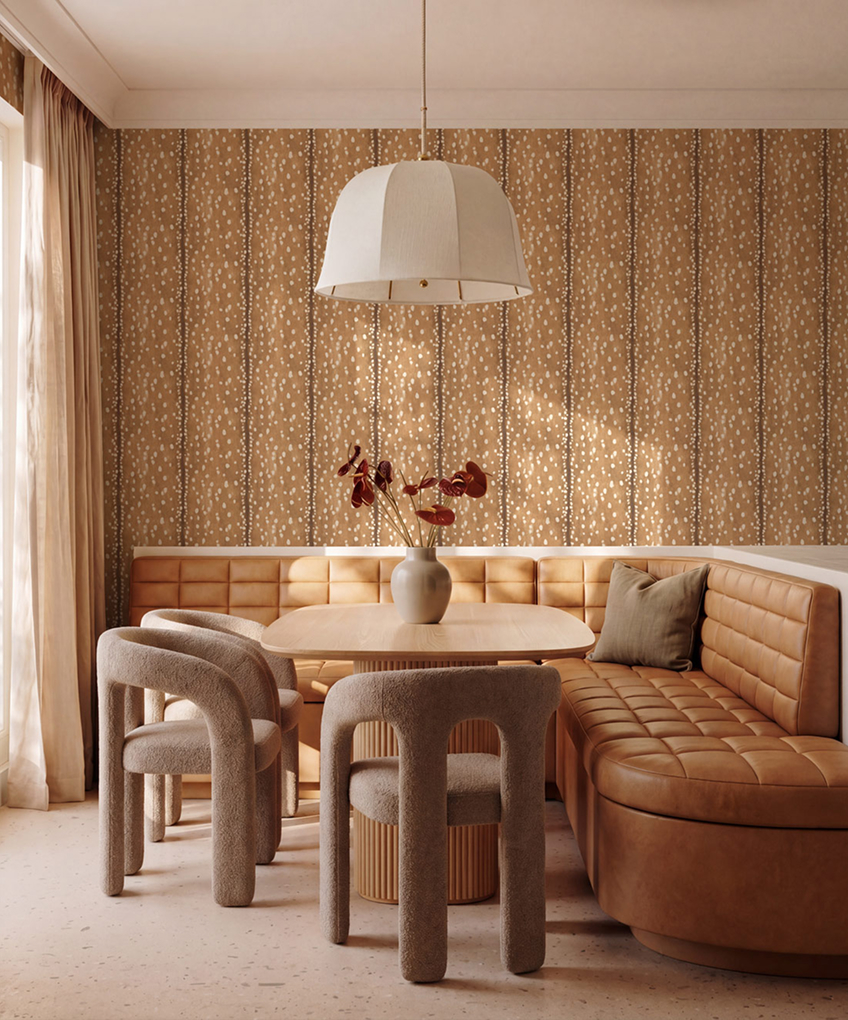
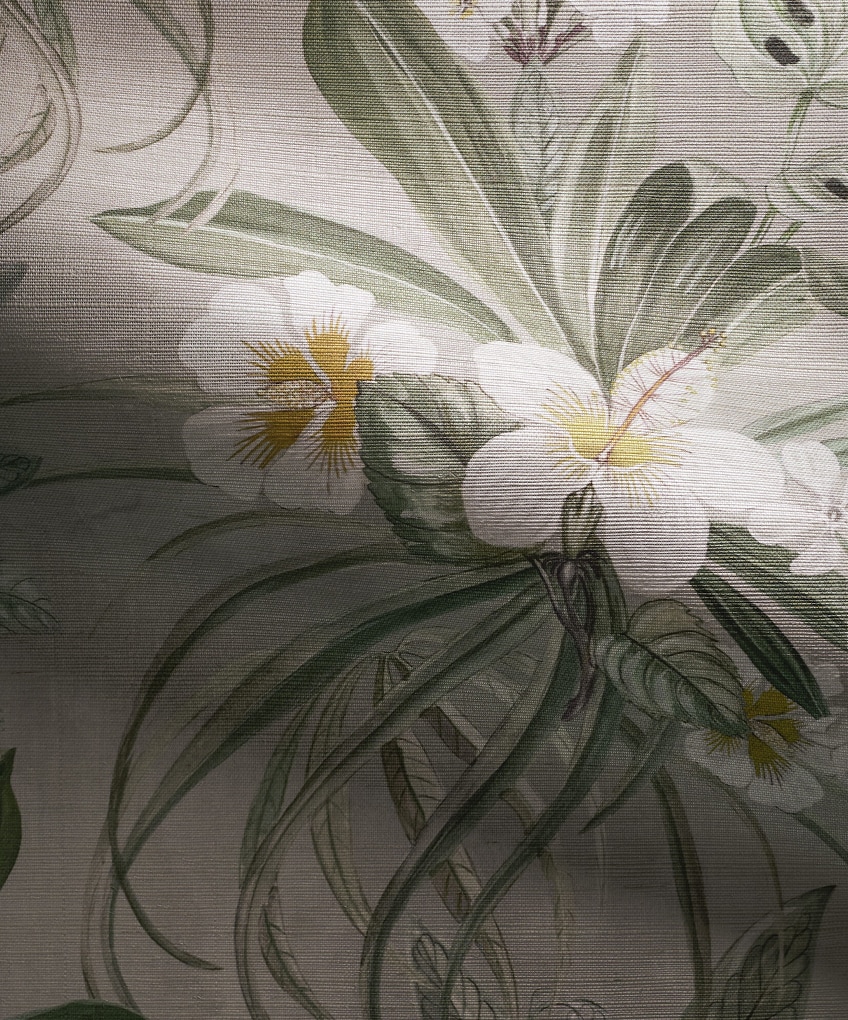
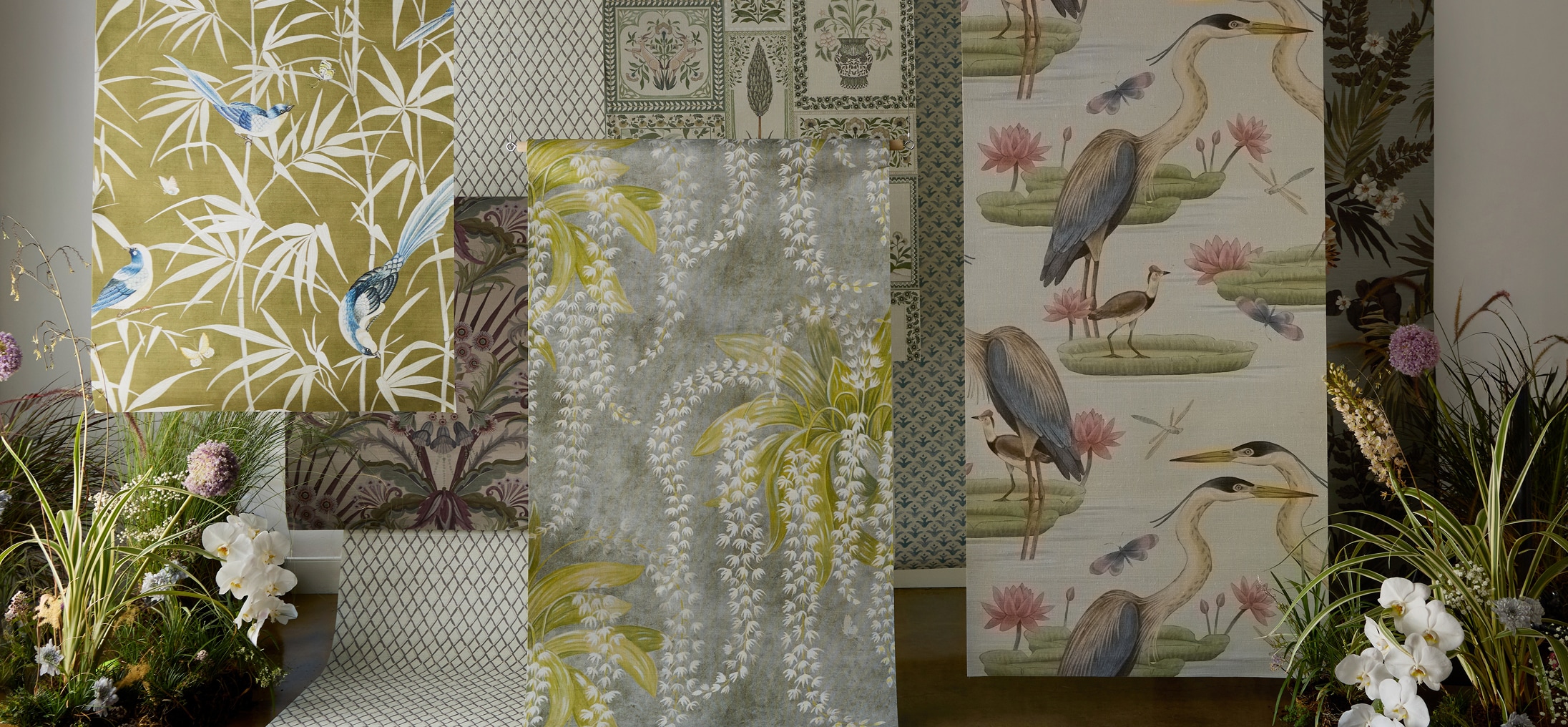
For those who love the organic texture and natural appeal of grasscloth but prefer greater consistency and design flexibility, our printed grasscloth offers a gorgeous alternative. These wallpapers start with a real grass or natural fiber base (such as sisal or jute) and are then overprinted with patterns, motifs, stripes, florals and more. The result combines the authentic tactile depth of true grasscloth with repeatable, uniform designs that match across panels. Printed versions reduce the dramatic shading and paneling effects common in undyed natural grasscloths, making them more predictable for larger walls or projects where a cohesive look is desired. They often maintain many of the eco-friendly benefits while adding versatility—perfect for layering patterns, creating feature walls, or wrapping your entire room.
Sustainability & Grasscloth Wallpaper
Grasscloth wallpapers are made from natural fibers. These fibers are renewable resources, as they come from plants that can be replanted and harvested. Grasscloth wallpapers also are biodegradable, meaning they can naturally break down over time without causing harm to the environment. They can also be composted, reducing waste and landfill burden.
Many grasscloth wallpapers are manufactured using water-based adhesives and inks with low volatile organic compound (VOC) content. This reduces indoor air pollution and improves indoor air quality, making it healthier for occupants. Generally, grasscloth wallpapers are free from PVC (polyvinyl chloride) and vinyl, which are materials commonly found in traditional wallpapers. Avoiding PVC and vinyl reduces the use of harmful chemicals and synthetic materials.
Natural wall coverings can have an aroma. Yes, some of the scent will have less of an impact when they are aired out over time. However, grasscloths will have a smell, especially when opened from fresh packaging. If you are highly allergic to grasses and the like, it may not be the best option for home.
How to install Grasscloth Wallpaper
Hire A Professional – Installing grasscloth wallpapers is not for beginners. These wallcoverings are made of natural fibers and should be handled with care. Unlike non-woven wallpapers that can have creases smoothed out, bends and creases in a grasscloth can be permanent. We recommend that you hire a skilled professional to install these types of wallpapers. For more information please view our in-depth grasscloth wallpaper instructions.
Paste-The-Paper – Paste should be applied directly to the paper. Be generous but avoid excessive paste. These grasscloth wallpapers will expand from the adhesive and some “booking” time is required. In addition, any paste that makes contact with the front can quickly and permanently stain.
Book the Wallpaper – “Booking” is a process where you fold the pasted sides of the wallpaper together, adhesive-to-adhesive, with the pasted side facing inwards. This allows the paste to activate and helps prevent it from drying out before you hang the wallpaper. Leave the wallpaper booked for a few minutes.
Pattern Repeat – Natural undyed and unprinted grasscloth wallpapers have no pattern repeat if they are the unprinted type. The way these wallpapers are put together makes every inch of them entirely unique. There is no pattern to follow vertically or horizontally. This throws out the worry of having to match any pattern upon installation.
Printed Grasscloth’s will have a pattern repeat unique to each specific design. Match the pattern accordingly.
Care of Grasscloth Wallpapers
Grasscloths are natural wallpapers that will absorb moisture so it is important that they stay dry. You do not want to get them wet or put them in an environment like a bathroom or laundry room where there is high humidity or where they risk getting splashed with water or any liquid for that matter. Any substance that comes into contact with a natural wallpaper may cause it to expand, or worse, permanently stain.
In addition, grasscloth wallpapers can absorb smells. Odors from food or smoking can penetrate the wallpaper and become impossible to remove. Kitchens are also not good places for grasscloths.
Fading can occur if the grasscloth is regularly exposed to direct sunlight. Be aware of windows that allow for repeated exposure.
If you own cats, a grasscloth wallpaper’s scent can be an attractive lure for a pet to mark their territory or to use your wall as a scratching post.
High traffic areas where the natural wallpaper will be susceptible to wear and tear should be avoided.
Cleaning your grasscloth wallpaper should be done with a duster, a vacuum (on low power mode or with care) or by dry clean method. You may be able to get away with using a slightly damp cloth, but as mentioned above, any use of water or cleaning solutions can stain and ruin your wall covering.
Grasscloth wallpapers and other natural wallpapers offer a unique and beautiful feature to the home. They provide a sense of warm earthy, organic vibes to the space and can provide your walls with textures, patterns and colors to really add a heavy dose of character. These wallpapers are often more expensive because of the material, the process and the one-of-a-kind results, but they are also more delicate than other types of wallpapers. It’s always a good idea to order a sample and do your research so you can truly understand the care involved in having a grasscloth wallpaper and make sure you have a professional to assist you.